

Легендарная Black Pennell: от классической мокрой мушки до уловистой нимфы
Black Pennell — это неоспоримая классика нахлыста, которая не теряет актуальности уже второе столетие. Созданная как строгая мокрая мушка для шотландских озер, сегодня она успешно переродилась в формате эффективной нимфы. В этой статье мы разберем историю легенды, её правильную анатомию и покажем, как связать её своими руками.
История: откуда пришла мокрая мушка?
Класс мокрых мушек (Wet Flies) — один из старейших в нахлысте. В отличие от сухих мушек, они работают под поверхностной пленкой и имитируют насекомых в толще воды: тонущих подёнок, откладывающих яйца ручейников или поднимающихся к поверхности куколок.
- Родина: Великобритания (Шотландия и Англия).
- Эпоха: Конец XIX века, расцвет викторианского нахлыста.
- Философия: Английские джентльмены заметили, что рыба проводит большую часть времени, кормясь под водой, а не на поверхности. Так появились лаконичные, но уловистые силуэтные приманки.
Автор легенды
Мушку создал Генри Чолмондели-Пеннелл (Henry Cholmondeley-Pennell, 1837–1915) — знаменитый английский писатель, чиновник и заядлый рыболов. В 1885 году он описал ее в своей книге «Fishing». Пеннелл был сторонником минимализма. Он утверждал, что три-четыре универсальные мушки правильного силуэта и цвета ловят рыбу лучше, чем сотни точных копий конкретных насекомых. Black Pennell создавалась как универсальный раздражитель, напоминающий рыбе водного жука, муравья или крупную хирономиду (крупный комар-звонец).
Анатомия и классический рецепт мокрой мушки
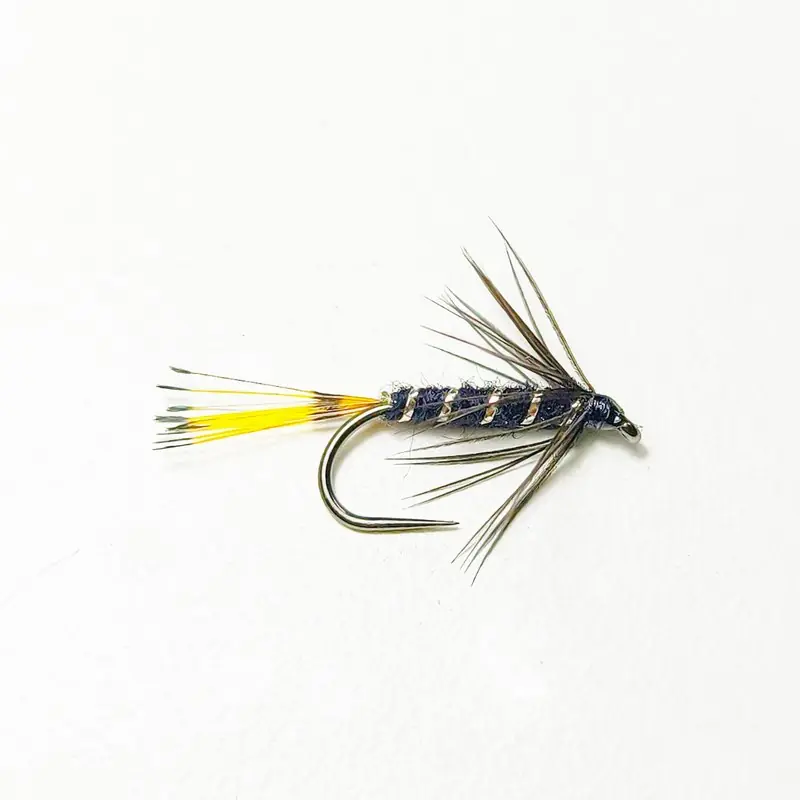
Традиционный вариант вяжется на крючке из толстой проволоки, так как мушка должна легко пробивать зеркало воды и уходить вглубь.
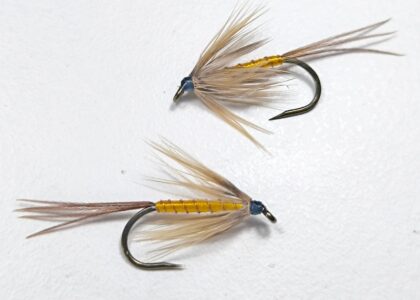
Классическая легенда (по Пеннеллу)
- Крючок: Для мокрых мух
- Монтажная нить: Черная (8/0 или 6/0).
- Хвост: бородки пера золотого фазана (ярко-желтое).
- Тело: Черная шерсть или даббинг
- Риб (обмотка): Плоский или круглый серебряный люрекс (Silver Tinsel).
- Ножки (Hackle): Черное перо петуха или курицы.
Эволюция:
Переход в формат нимфы (Black Pennell Nymph)
Современная школа нахлыста часто требует более глубокого погружения приманки, ведь до 90% времени рыба кормится у самого дна. Нахлыстовики адаптировали строгий черно-серебряный силуэт Пеннелла под концепцию нимфы.
Что изменилось в нимфе?
- Добавили вес: Латунная или вольфрамовая головка помогает мушке мгновенно достигать рабочего горизонта.
- Сделали силуэт скудным: или только торекс из ICE DUB и еще вариант с черным пером хаклом из сдс имитируя лапки личинки.
Рецепт современной нимфы Black Pennell:
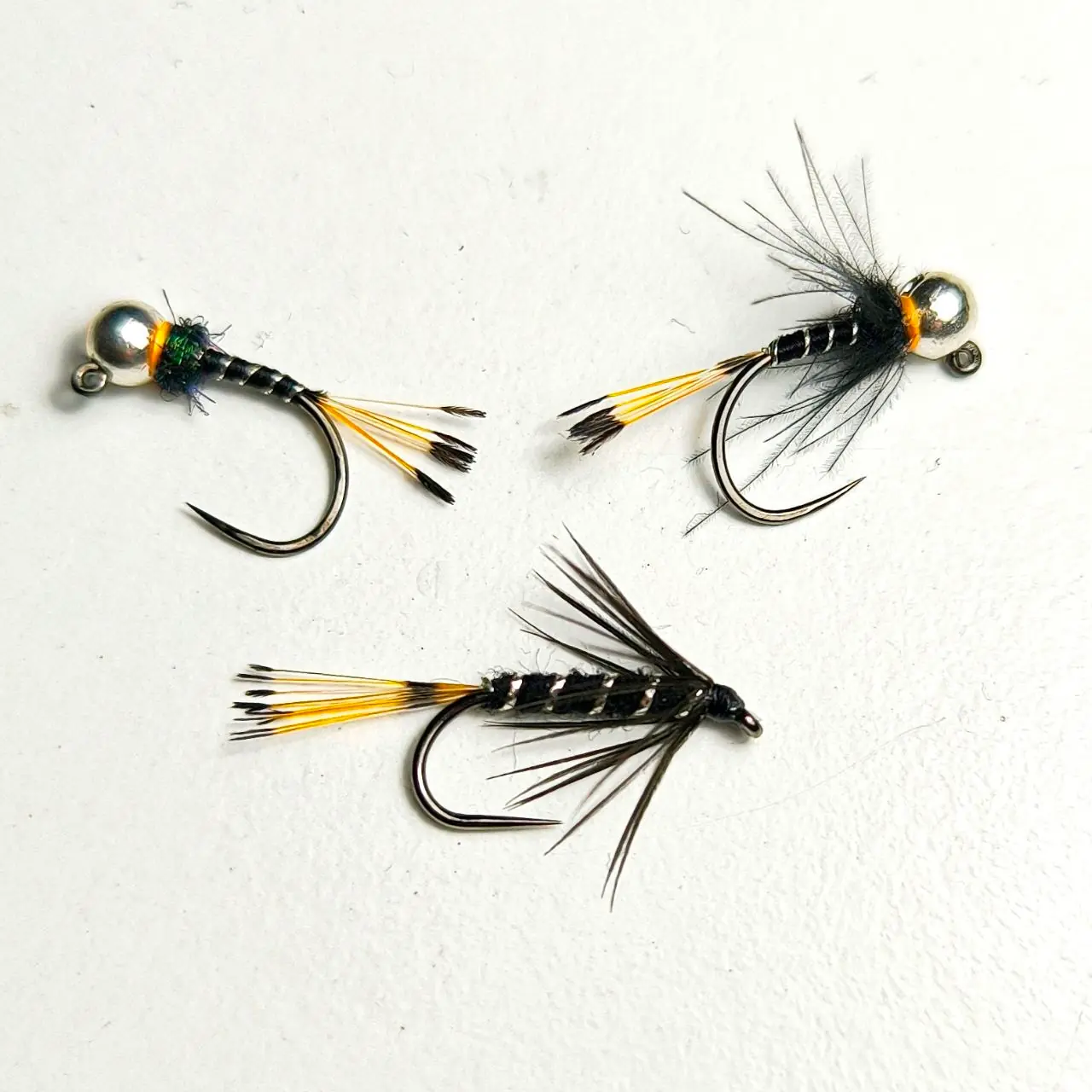
- Крючок: Jig или обычный для мокрых мушек размер #10–18.
- Головка: Вольфрамовый или латунный шарик (серебро), диаметр 2.5–3.8 мм.
- Хвост: Несколько бородок пера золотого фазана.
- Тело: Черный даббинг, шерсть или шелк.
- Риб: Тонкая серебряная проволока или овальный серебрянный люрекс.
- Торэкс (грудка): Чуть более объемный черный даббинг лучше ICE DUB Peacock.
- Ножки: 2-3 оборота мягкого черного пера CDC или курицы, зачесанные назад.
Купить мушку нимфу Блэк Пеннелл
Видео: Пошаговое изготовление (Step-by-Step)
Теория в нахлысте важна, но правильные пропорции, количество материала - лучше один раз увидеть
Совет вязальщику: При работе с пером золотого фазана следите, чтобы хвостик не заваливался набок. Закрепляйте его строго сверху цевья крючка плоскими оборотными винтами монтажной нити.
Тактика ловли: как презентовать мушку рыбе?
В зависимости от того, какой вариант вы выбрали, тактика на водоеме будет кардинально отличаться.
Проводка мокрой мушки
Классический метод для речной ловли. Выполняется заброс вниз и поперек течения под углом примерно 45 градусов. После сноса мушки вниз и натяжении прямого шнура часто происходит поклевка. Так же не забывайте про мертвый дрейф. Держите шнур и кончик удилища в воде или у воды , так вы лучше контролируете все поклевки.
Французский или чешский метод
Заброс делается вверх по течению (Upstream). Задача — дать вольфрамовой головке опустить нимфу на дно. Рыболов выбирает слабину шнура со скоростью течения реки, контролируя проводку по яркому поводку или индикатору. Отлично работает по хариусу, форели и белой агрессивной рыбе типа головля в придонном слое.



This information is so interesting!